31 Days of Raw: Day #3 WALNUTS I absolutely love walnuts. They are wonderfully filling, unbelievably healthy, and a great substitute for cooked items in several different dishes. They are my “meat” in my raw meatballs, ground meat, taco stuffing, and meatloaf. They make a wonderful Asian pate with a few other ingredients, and are fabulous in my desserts. Wonderfully versatile, yet so delicious it’s hard to believe they are so good for you! How good for you? Let’s see: 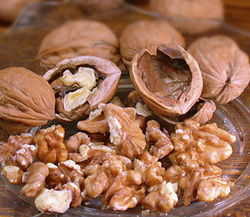 WALNUTS Heart Health Walnuts in particular have a unique profile: they are rich in polyunsaturated fatty acids, which may improve blood lipids and other cardiovascular disease risk factors. Recently, the US Food and Drug Administration (FDA) cleared the health claim "eating 1.5 ounces per day of walnuts as part of a diet low in saturated fat and cholesterol may reduce the risk of heart disease". Bone Health A study evaluating the effect of dietary alpha-linolenic acid (ALA/omega-3s) provided by walnuts and flaxseed, on bone turnover found bone health improved with ALA consumption in a clinical research study published in the January 2007 issue of Nutrition Journal Diabetes A study published in the European Journal of Clinical Nutrition found that walnuts, known for their high content of Polyunsaturated Fat (13g), significantly improve metabolic factors in overweight individuals with type 2 diabetes. Weight Management Research published in the International Journal of Obesity, evaluated weight loss patterns of overweight men and women and found improved weight loss with consumption of foods such as walnuts. Brain Health Walnuts also benefit the brain. Not only do they resemble a brain in appearance, they are often referred to as a "brain food" because of their high content of omega-3 fatty acids. The membranes of cells in the brain primarily consist of fats and are responsible for important nutrients to enter cells and for waste products to exit cells. Omega-3 plays a major role in this process. Studies in the US and other countries suggest a low dietary intake of omega-3 may be linked to depression. It is also believed to be connected with ADHD. According to a recent study, at Purdue University, children with low levels of omega-3 were more likely to be hyperactive, display behavioral problems, and have learning disabilities. 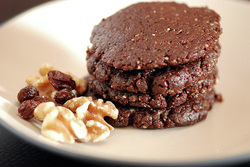 Raw “Fudge”
1 Comment
|

About the BloggerHaley is passionate about Raw Food and how God has used it to heal her. She loves to share what she knows with anyone who is curious, and finds herself talking to everyone around her about her lifestyle. Archives
January 2020
Categories
All
|
 RSS Feed